

Ontario recently released the Destination Niagara Strategy, a multibillion-dollar plan to grow tourism, improve transportation, and strengthen the region’s economy. While most headlines focus on new attractions and visitor numbers, this strategy also points to long-term changes that could shape the Niagara real estate outlook.
Homeowners do not need to track every announcement, but it is helpful to understand the overall direction of the region and how these plans may influence neighbourhoods in the years ahead.
The Destination Niagara Strategy includes ideas such as:
A new observation wheel
A possible theme park
Redevelopment of historic power stations
A revitalized Niagara Parks marina
Upgrades to arts, culture, food, and wine experiences
These projects may draw visitors, but they also bring attention to nearby communities. Over time, steady investment in public spaces, waterfront areas, and local attractions often supports healthier and more resilient real estate markets.
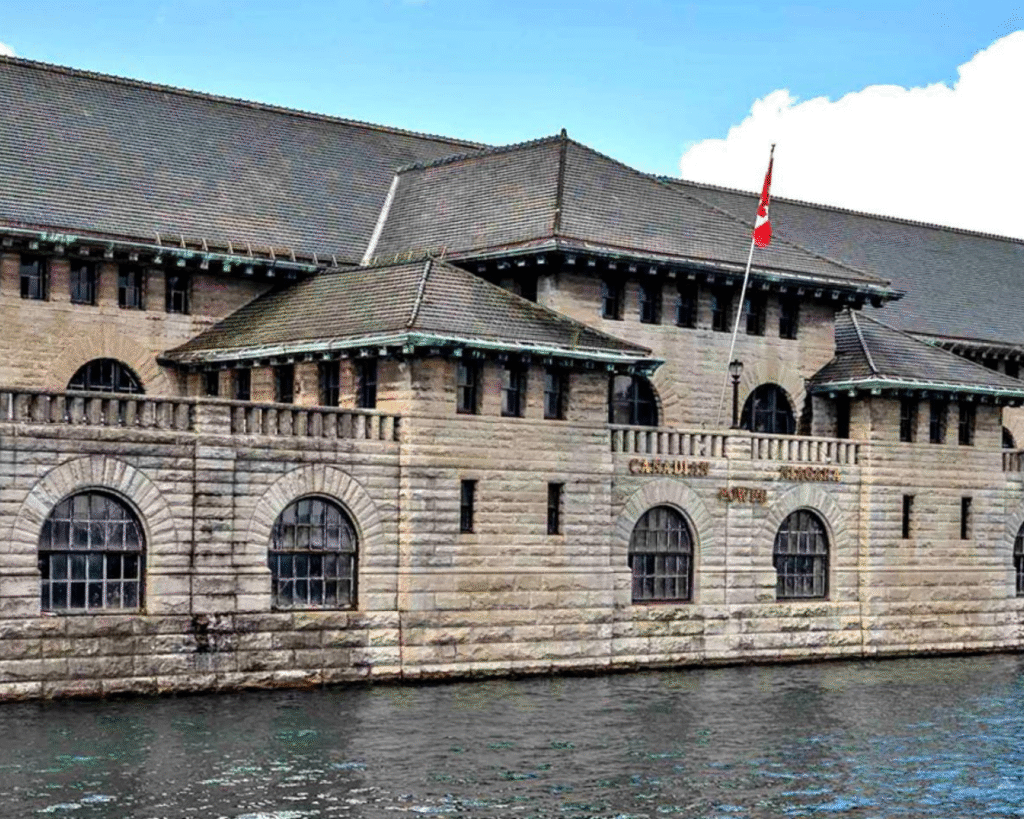
The province aims to increase annual visitors from 13 million to 25 million. More visitors often means more activity for restaurants, wineries, shops, hotels, and festivals. When local businesses stay busy, neighbourhoods benefit from steady employment, strong small business activity, and more community engagement. These conditions tend to help support long-term property values, especially in areas close to revitalized amenities.
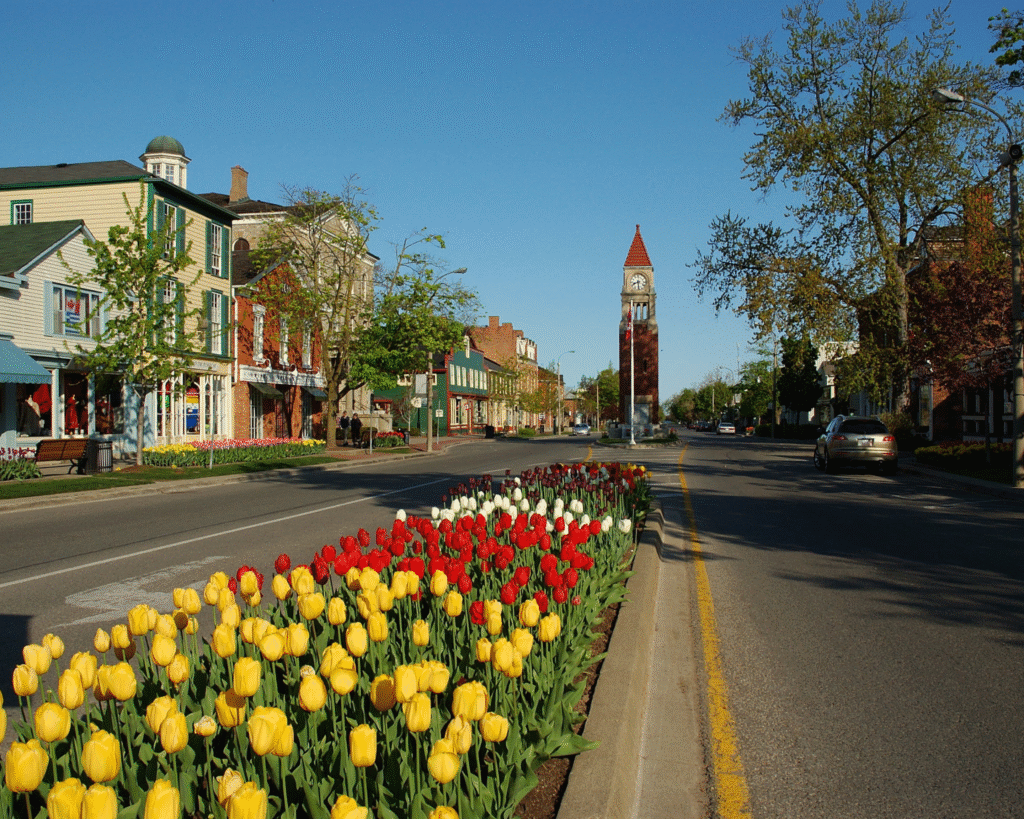
For many homeowners, transportation improvements may be the most important part of the plan. The strategy includes:
Twinning the Garden City Skyway
Expanding the QEW
Increasing GO Train service
Exploring better air access
Reviewing a possible tram route through Queen Victoria Park
Better access makes it easier for residents to commute and for visitors to move around the region. It also allows people from the GTA and surrounding areas to consider Niagara as a practical place to live. When a region becomes easier to reach, interest in its housing market usually grows.

The strategy also reinforces Niagara’s strengths in culture, heritage, and agritourism. This includes support for the Shaw Festival, VQA wineries, local producers, and community events. Strong cultural anchors add long-term appeal to a region and help shape the identity of its neighbourhoods. These qualities can influence where people choose to live and how they feel about the community around them.

You do not need to be thinking about buying or selling for this information to matter. For local homeowners, long-term investment at the provincial level often signals:
Confidence in the region’s future
Improved access and transportation
More services, amenities, and community spaces
A stronger and more stable local economy
Continued interest in Niagara as a place to live
The effects will not be immediate and will vary from one community to another. Taken as a whole, these developments point to a region that is expected to grow in activity, accessibility, and appeal.
Niagara is already known for its scenery, space, and lifestyle. The Destination Niagara Strategy suggests the province believes that appeal will continue to strengthen in the years ahead.
share this: