Close-up of a home inspection report with a calculator and pen.

What Happens When a Buyer Wants to Renegotiate After a Home Inspection?

The home inspection is one of the most stressful moments in a real estate deal. The offer is accepted, conditions are in place, and everyone waits for the inspector’s report. Then the call comes in: the buyer wants to renegotiate after the home inspection.

It can feel frustrating and emotional, but this stage does not need to derail a sale. When handled calmly and strategically, it becomes just another part of the process.

Stay calm and gather the facts

Not every renegotiation request is a sign of trouble. Sometimes the inspection reveals genuine issues that no one knew about. Other times, the buyer may be testing for a discount or experiencing last-minute nerves. The key is to understand what is driving the request.

Before advising a seller, a good agent asks three questions:

  1. What did the inspection actually find?

  2. What is the buyer asking for?

  3. How serious is the issue?

Once the facts are clear, emotion can step aside and problem-solving can begin.

Homeowners reviewing a home inspection report to understand what the inspector found.

The power balance changes

When a buyer wants to renegotiate after the home inspection, they often hold more leverage. They can walk away if they are not satisfied with the results. Sellers still have power too, depending on the market, the level of interest in the home, and how committed the buyer is.

In a strong market, the seller may decide not to renegotiate at all. In a slower market, addressing concerns or adjusting the price might be the best path forward.


It is not always about the money

When issues are found, there are several ways to resolve them:

  • The seller can fix the problem with a licensed professional

  • Both sides can agree to split the cost

  • The price can be adjusted to reflect the repair

  • Closing can be changed to allow time for the work

The goal is fairness, not punishment. Most deals survive this stage when everyone focuses on solutions instead of emotion.

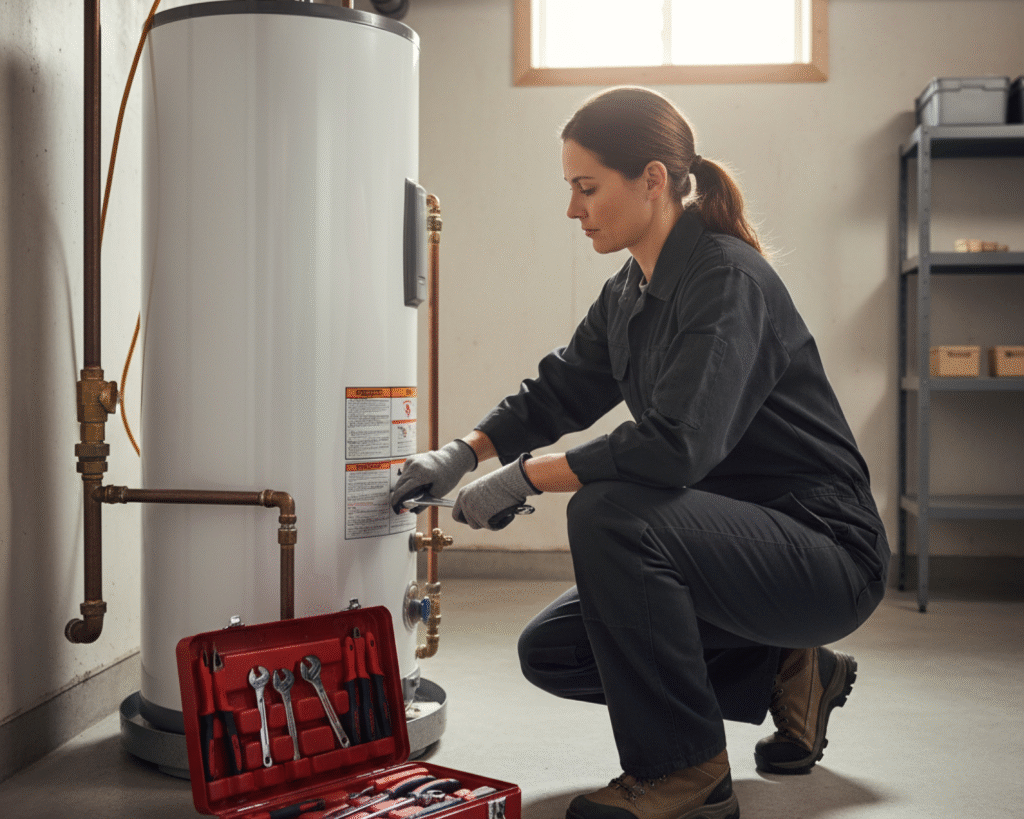
Licensed contractor performing a small repair that could help prevent inspection issues.

Preventing surprises

The best way to avoid stressful renegotiation is to prepare early. Sellers who disclose known issues and consider a pre-listing inspection often experience fewer problems later. It gives buyers a clear picture of the home, which builds trust and reduces the chance of emotional reactions when the report arrives. 

Even simple steps like servicing the furnace, repairing minor items, or gathering receipts for recent work can help. When expectations are realistic on both sides, the inspection stage becomes calmer and easier to navigate.

The bottom line

Renegotiating after a home inspection is not just about a list of repairs. It is about managing expectations, staying calm, and finding a solution that makes sense for both sides. With the right guidance, this stage does not need to derail a sale. It can even build trust.

Have questions about navigating a home inspection or how renegotiation works? We are here to help you make informed, confident decisions at every step.

share this:

Facebook
Twitter
Pinterest